
There’s never been a moment in history where athletes have held as much cultural power as they do today. They’re not just competitors anymore; they’re global brands in their own right, capable of shaping trends, moving markets, and influencing entire generations. You can see it every time a new sneaker drops, a campaign goes viral, or a star takes a front-row seat at a Paris fashion show. The worlds of sport and fashion used to run on parallel tracks. Now, they’re fully intertwined.
The biggest brands in the world understand this better than anyone. Sportswear giants like Nike and Adidas have been building empires around superstar athletes for decades, while luxury houses such as Gucci, Louis Vuitton and Prada have stepped into the arena in recent years, choosing their ambassadors as carefully as they select their runway models. Some of these partnerships are obvious power plays, others are unexpected cultural masterstrokes. All of them tell a story about where sport and style are heading.
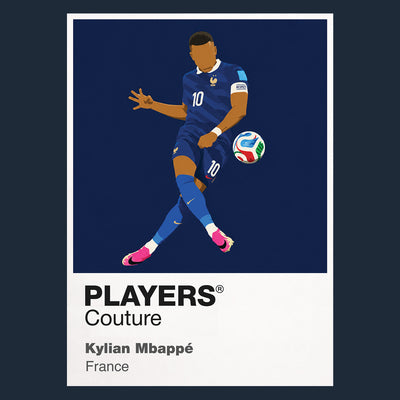
No conversation about athlete-brand power can begin without Nike. For years, Nike has been the benchmark when it comes to signing athletes who transcend the field of play. LeBron James is the perfect example. Nike signed him before he’d even played an NBA game, betting on his potential to become a global icon. That bet paid off spectacularly, leading to one of the most lucrative lifetime deals in sports history. Cristiano Ronaldo is another pillar of the Nike empire. His CR7 line has grown far beyond boots and shirts; it’s a fully formed lifestyle brand with Ronaldo at the centre, appealing to fans who may never set foot on a pitch. Then there’s Tiger Woods, who didn’t just change golf - he changed Nike’s position in the sport. His red Sunday shirt became a symbol, his domination made golf cool, and his partnership with Nike lasted over 25 years. Serena Williams brought something different: power, grace, and activism. Her collaboration with Nike included mentoring young designers, showing that an athlete’s impact can extend far beyond performance. Kylian Mbappé represents Nike’s future, the bridge between traditional football marketing and global youth culture. What ties all these athletes together is not just their talent, but their ability to tell compelling stories that connect emotionally with people around the world.

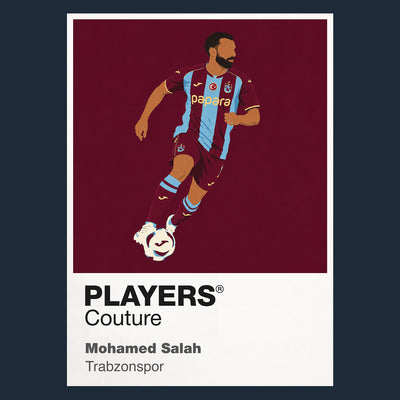
Adidas takes a slightly different path. If Nike is about iconic hero stories, Adidas is about blending sport with culture. Lionel Messi has been the face of Adidas for nearly two decades, and their relationship feels almost symbiotic at this point. His boots have become collectors’ items, his shirt sales break records, and his quiet charisma fits Adidas’s more understated tone. James Harden brought swagger and individuality to the basketball line, signing a massive deal and launching a series of shoes that blurred the line between on-court gear and streetwear. Mohamed Salah gave Adidas a global bridge to new markets, embodying humility, faith, and star power. Paul Pogba, meanwhile, became a style ambassador as much as a footballer, collaborating on capsule collections that connected football to fashion runways. Adidas has always been good at picking athletes who feel authentic in both sports and lifestyle spaces, making their partnerships resonate on a deeper cultural level.

Puma, for a long time, was the underdog in this world. But that’s exactly what has made its resurgence so interesting. By focusing on youthful energy and a slightly rebellious tone, Puma has managed to reposition itself as the cool, fashion-forward alternative to the bigger players. Neymar Jr.’s signing was a statement of intent, instantly giving Puma visibility at the highest level of football. Usain Bolt remains one of Puma’s greatest assets, his record-breaking sprints and easy charisma still defining their global image years after his retirement. Marta, the legendary Brazilian footballer, represents not only excellence but also leadership in women’s sport. LaMelo Ball’s partnership has been crucial for Puma’s basketball ambitions, bringing in a younger, hype-driven audience. Puma’s strategy is less about legacy names and more about energy, personality, and connecting with the next generation.
Under Armour has never tried to be the flashiest brand, but it has carved out a strong niche by focusing on performance and work ethic. Stephen Curry has been central to that strategy. His rise from overlooked guard to NBA superstar mirrored Under Armour’s own story: underestimated, disciplined, relentless. Tom Brady brought the kind of longevity and professionalism that fit perfectly with the brand’s ethos. Jordan Spieth gave Under Armour credibility in golf, while Dwayne “The Rock” Johnson has expanded their influence into fitness and pop culture. These are athletes who embody grit, consistency and discipline - values that appeal to a certain kind of fan and consumer.
New Balance has had perhaps the most fascinating transformation. Once known as a dad-shoe brand, it has reinvented itself through smart athlete choices and a keen sense for cultural trends. Kawhi Leonard’s signing shocked the basketball world, but it fit New Balance’s image perfectly: quiet confidence, high performance, no unnecessary hype. Coco Gauff, a young tennis star with charisma to spare, has become one of the brand’s most exciting ambassadors, especially as she grows into a genuine global icon. Raheem Sterling and Sadio Mané bring style and international appeal, helping New Balance connect with football culture in a way that feels fresh and genuine. The brand’s resurgence shows that authenticity, paired with the right ambassadors, can be just as powerful as legacy or hype.
While sportswear brands have been in this game for decades, luxury fashion houses have been making serious moves recently. Gucci has been especially savvy in the way it embraces athletes as cultural figures. Jannik Sinner has become a kind of poster boy for the new wave of tennis stars who are as comfortable at Milan Fashion Week as they are on court. Jack Grealish, with his distinctive style and personality, has become a natural fit for Gucci’s campaigns. Federico Chiesa brings that uniquely Italian blend of football and fashion heritage. Gucci sees athletes not just as endorsers, but as influencers in the truest sense.
Louis Vuitton, of course, operates at the very top of the luxury ladder, and its collaborations reflect that. The chessboard campaign featuring Messi and Ronaldo became instantly iconic, a meeting of two legends framed through the lens of elegance and intellect. Kylian Mbappé’s appointment as the face of Louis Vuitton menswear signals a generational shift - he’s young, stylish, and globally influential. Naomi Osaka brings a different energy, mixing fashion with activism, making her partnership with Louis Vuitton feel modern and layered.
Prada has taken a more minimal but equally strategic approach. Emma Raducanu’s rise in tennis made her a natural fit for Prada’s sleek aesthetic, while Enzo Fernández represents a new generation of footballers with sophisticated personal brands. Balenciaga leans heavily into culture, picking athletes like Marcus Rashford and Ezekiel Elliott who have strong personalities and aren’t afraid to push boundaries. Dior, ever elegant, focuses on charismatic figures like Mbappé, Raducanu, and Zidane to embody timeless sophistication.
These partnerships aren’t just about visibility anymore. They’re about cultural positioning. Athletes bring something to the table that traditional celebrities often can’t: authenticity, universal appeal, and the ability to inspire. A campaign featuring a top footballer or tennis player doesn’t just sell clothes or shoes - it tells a story that millions of fans feel personally connected to. That’s why brands are willing to invest so heavily in these relationships. It’s not just marketing; it’s identity building.
The most interesting part of this evolution is that the athletes themselves are becoming more strategic too. They’re choosing partnerships that align with their personal values, image, and long-term goals. Someone like LeBron James isn’t just signing a deal for money; he’s building a legacy brand. Naomi Osaka isn’t just wearing Louis Vuitton; she’s using fashion as a platform for broader conversations. Mbappé isn’t just modelling clothes; he’s positioning himself as a global cultural figure for the next decade.
In the end, the landscape of athlete - brand partnerships reflects something bigger about our culture. Sport and fashion are no longer separate worlds. They feed into each other, influence each other, and together they shape how we think about success, identity, and style. From Nike’s billion-dollar icons to Gucci’s fashion-forward ambassadors, these collaborations define more than just marketing trends - they define an era.
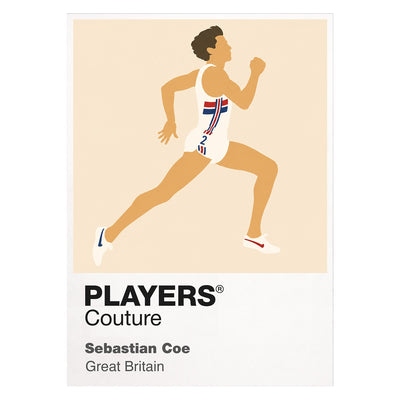
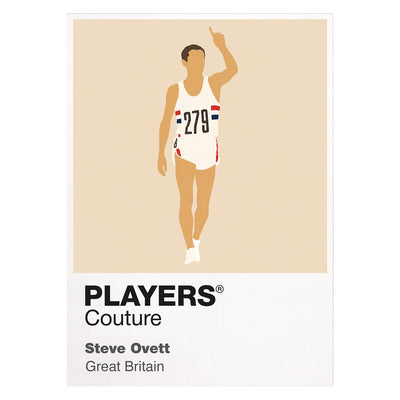
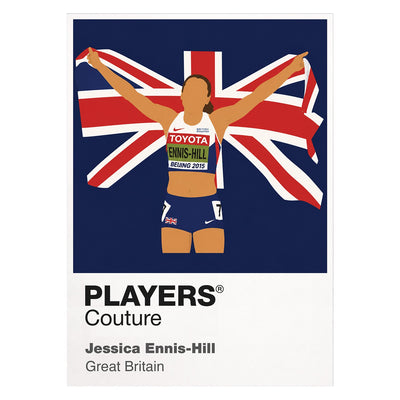
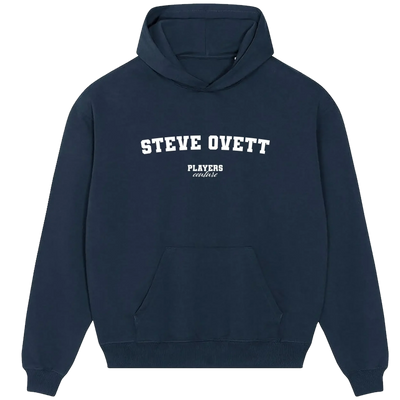
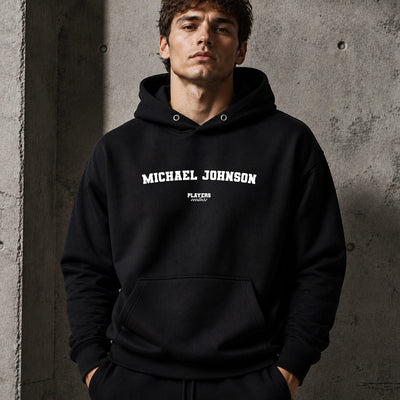
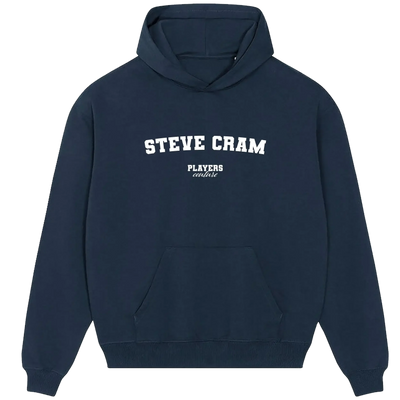
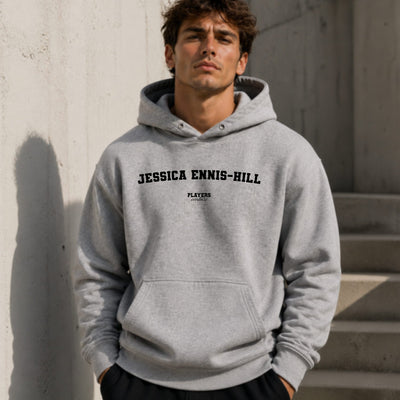
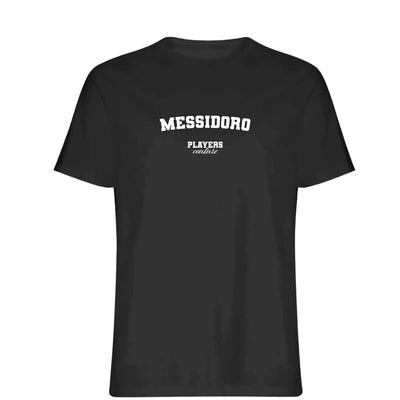
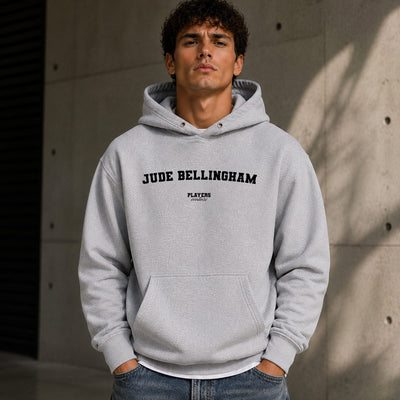
Shop the Names in This Article


Every design is made to order in the UK. Browse more in our athletics range, or put any name on a custom name hoodie.








0 comments