
✊🏾 The Most Influential and Pioneer Black Sports Stars: From Trailblazers to Global Icons
Sport has always been more than entertainment. For Black athletes, it has often been a battleground - a stage to break barriers, confront injustice, and shape cultural identity.
From Jesse Owens sprinting past hate in the 1930s to Naomi Osaka’s modern protest statements, Black athletes have not only redefined their sports but also influenced politics, fashion, and global culture.

This is the story of the pioneers and icons who paved the way- those who stood tall, spoke out, and changed history.
🏃🏾♂️ 1. Jesse Owens - The Olympic Defier
Sport: Track & Field
Era: 1930s
Jesse Owens’ performance at the 1936 Berlin Olympics was more than sport - it was a direct rebuke of Nazi racial ideology. Winning four gold medals in front of Hitler, he embarrassed the regime’s propaganda on the world stage.
Yet, his return to America was bittersweet; despite being a national hero abroad, he faced segregation and discrimination at home.
👟 Style & Culture: Owens’ minimalist black singlet and leather spikes became enduring symbols of dignity and defiance. His story has inspired fashion collaborations and sneaker tributes for decades.
🎾 2. Althea Gibson - Breaking Tennis’s Color Line
Sport: Tennis
Era: 1950s
Before Arthur Ashe, Serena, or Venus, there was Althea Gibson. She became the first Black athlete to win a Grand Slam in 1956 and then conquered Wimbledon in 1957. She broke into a sport reserved for the elite, proving undeniable talent transcends barriers.
👗 Style Note: Gibson’s clean, composed tennis look symbolised professionalism in the face of prejudice. She paved the way for a new generation of Black female athletes to express both excellence and identity.
⚾ 3. Jackie Robinson - The Trailblazer
Sport: Baseball
Era: 1940s-1950s
In 1947, Jackie Robinson shattered baseball’s color barrier by joining the Brooklyn Dodgers. Enduring racist taunts and death threats, Robinson’s courage opened the door for generations of Black athletes.

He later became a civil rights campaigner, working closely with Dr. Martin Luther King Jr. and speaking out on racial inequality.
🎽 Legacy in Culture: Robinson’s number 42 is now retired across MLB. His sharp suits, ballcap, and iconic jersey became a blueprint for athletic dignity and cultural pride.
🥊 4. Muhammad Ali - The Global Icon
Sport: Boxing
Era: 1960s-1970s
Muhammad Ali was more than “The Greatest” in the ring - he was a moral lightning rod for his era. His refusal to fight in Vietnam on moral grounds cost him titles and prime years, but his stance inspired millions.

👕 Style Influence: Ali’s self-confidence, tailored suits, and minimalist training looks became the foundation for modern athlete branding. His image still drives streetwear and luxury fashion references today.
🏀 5. Bill Russell - Quiet Power
Sport: Basketball
Era: 1950s-1960s
Bill Russell not only dominated basketball but transformed the role of Black athletes in American sports. He stood firm against racism, marched with Dr. King, and became the first Black head coach in NBA history.
🧥 Style Note: Russell’s sophisticated dress sense projected intellectualism and strength, setting early cultural standards for NBA athletes as polished, outspoken leaders.
🏀 6. Wilma Rudolph - The Golden Girl Who Overcame Polio
Sport: Track & Field
Era: 1950s-1960s
Wilma Rudolph overcame polio as a child to win three Olympic gold medals in 1960, becoming the fastest woman in the world. She became a symbol of hope and excellence for Black America and women globally.
👟 Cultural Impact: Her graceful running style and signature headscarves turned her into an icon of feminine strength, inspiring countless athletes.
🇺🇸 7. Texas Western 1966 - The Team That Changed College Basketball
Sport: Basketball
Era: 1960s
When Texas Western started an all-Black lineup to win the NCAA Championship against an all-white Kentucky team, they shattered college basketball’s racial hierarchy and accelerated integration nationwide.
🌍 8. Arthur Ashe - Grace & Global Activism
Sport: Tennis
Era: 1960s-1980s
Arthur Ashe was the first Black man to win Wimbledon and the U.S. Open, but his activism defined him. He fought apartheid, promoted education, and raised awareness for AIDS after contracting HIV.
👕 Style Legacy: Ashe’s clean-cut, collegiate look has been revived in modern fashion lines, blending activism and timeless elegance.
🌍 9. Didier Drogba - A Voice for Peace
Sport: Football (Soccer)
Era: 2000s
After Côte d’Ivoire qualified for the 2006 World Cup, Drogba famously pleaded for peace on national TV, leading to a ceasefire in his country’s civil war. His leadership transcended sport, making him a political figure of unity.
👔 Style Influence: Drogba’s elegant presence and fashion sense helped elevate African football’s image globally.
🇬🇧 10. Lewis Hamilton - The Driver for Change
Sport: Formula 1
Era: 2000s - Present
Lewis Hamilton has used his platform to call out racism in motorsport, support Black Lives Matter, and push for diversity in F1. He wears protest shirts on podiums, risking fines to make statements.
👑 Fashion Impact: Hamilton is one of the most fashion-forward athletes in the world - front row at runway shows, designer collaborator, and style trailblazer.
🧢 11. LeBron James - The Modern Power Voice
Sport: Basketball
Era: 2000s - Present
LeBron’s activism is multifaceted - from social justice to education reform (his “I PROMISE” school). He’s turned NBA arenas into platforms for cultural statements and championed athlete empowerment.
🧥 Fashion & Culture: LeBron helped turn the NBA tunnel into a runway. His “I Can’t Breathe” shirts and social justice apparel amplified activism through fashion.
🎾 12. Serena & Venus Williams - Redefining Power
Sport: Tennis
Era: 1990s - Present
Serena and Venus Williams dominated tennis while reclaiming space for Black women in a sport built on tradition. Their bold fashion choices (catsuits, braids, vibrant colors) challenged stereotypes and forced the sport to evolve.
👑 Cultural Impact: Serena’s outfits became global conversation starters - every match was part competition, part cultural statement.
🎾 13. Naomi Osaka - The Quiet Revolutionary
Sport: Tennis
Era: 2010s - Present
Osaka’s 2020 U.S. Open masks honouring Black victims of police violence made global headlines. She showed that activism can be subtle, personal, and powerful.
👟 Fashion: Osaka has blended sport and fashion through collaborations with Levi’s, Nike, and luxury brands, representing a new, multicultural identity.
⚽ 14. Marcus Rashford - Feeding the Nation
Sport: Football (Soccer)
Era: 2020s
Rashford’s child hunger campaign during the pandemic forced UK government policy changes - a clear example of modern athlete activism with real-world impact.
🧢 Style: His streetwear aesthetic resonates with young fans, making him both a political and cultural influencer.
🧠 15. Simone Biles - Reclaiming Athlete Power
Sport: Gymnastics
Era: 2010s - Present
Simone Biles, the most decorated gymnast ever, brought conversations about mental health and athlete autonomy to the forefront when she withdrew from Olympic events in 2021.
👟 Cultural Significance: Her stance changed how athletes are viewed globally - as humans first, not just performers. Her leotard designs and representation also pushed boundaries in a sport with limited Black visibility.
🌟 Why These Pioneers Matter
These athletes didn’t just win championships - they altered history.
They used their talent, visibility, and often their clothing, to challenge norms and build bridges.
From Jesse Owens to Naomi Osaka, their influence spans civil rights, politics, global culture, and fashion. They were - and remain - architects of change.
✨ Final Word: Legacy in Motion
The legacy of these pioneers lives on every time a young athlete picks up a ball, runs a race, or uses their voice.
They turned stadiums into stages for change.
They transformed jerseys, suits, and sneakers into symbols of identity and resistance.
They proved that sport is not separate from society - it shapes it.
Shop the Names in This Article


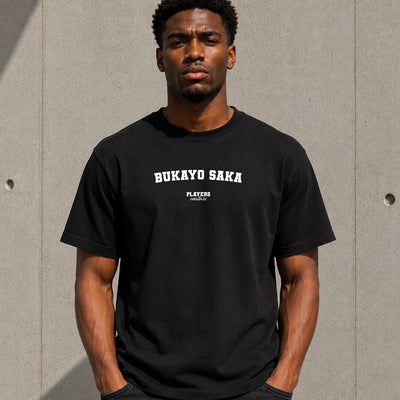
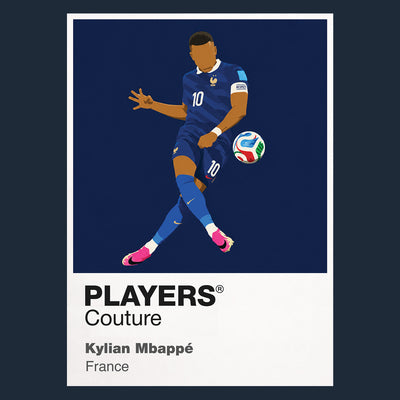
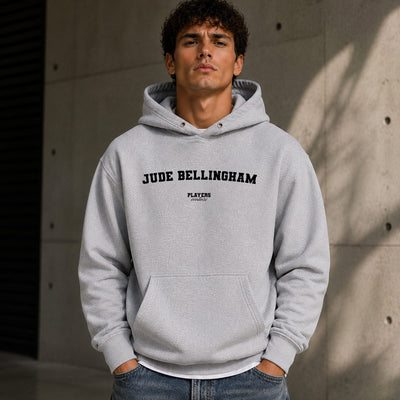
Every design is made to order in the UK. Browse more in our football range, or put any name on a custom name hoodie.






0 comments