
✊🏾 Game Changers: The Black Athletes Who Fought for Civil Rights and Redefined Culture
Sports have always been more than competition - they’re global stages where stories, struggles, and statements unfold in real time. For Black athletes, those stages have often been battlegrounds for justice. Through their talent, courage, and style, they’ve broken barriers, challenged power, and inspired movements far beyond stadiums and arenas.
From podium salutes and protest symbols to cultural fashion revolutions, these icons shaped not just sport, but society and style. This is the story of the most important Black sports figures who became civil rights activists - and changed the game forever.
⚾ 1. Jackie Robinson - The Man Who Opened the Door
Sport: Baseball
Era: 1940s-1950s
Jackie Robinson didn’t just break Major League Baseball’s color barrier in 1947 - he broke America’s sporting segregation wide open. Stepping onto the field for the Brooklyn Dodgers, he faced death threats, racial slurs, and open hostility from fans and players alike. Yet he played with unmatched grace, stealing bases and smashing stereotypes.

Off the field, Robinson was an early civil rights advocate. He used his platform to campaign for equality, marched with Martin Luther King Jr., and leveraged his fame to challenge America’s conscience.
🎽 Style Impact: Robinson’s clean-cut image - the tailored suits, crisp Dodgers jersey, and signature No. 42 - became a symbol of dignity and excellence. Today, Robinson’s number is worn across the league every April 15th on Jackie Robinson Day, turning every MLB field into a living tribute.
“A life is not important except in the impact it has on other lives.” - Jackie Robinson
🥊 2. Muhammad Ali - The People’s Champion
Sport: Boxing
Era: 1960s-1970s
Muhammad Ali wasn’t just a boxer - he was a cultural earthquake. His brilliance in the ring was matched only by his sharp tongue, unshakable convictions, and magnetic presence. Ali converted to Islam, changed his name, and refused to fight in the Vietnam War, saying:

“I ain’t got no quarrel with them Viet Cong.”
For this stance, he was stripped of his titles and banned from boxing during his prime. But Ali never backed down. He became a global symbol of resistance, racial pride, and moral courage.
👕 Style Impact: Ali’s confidence translated effortlessly into fashion and branding. His minimalist training looks, sharp suits, and iconic Everlast gear shaped decades of sports style. Modern streetwear brands still channel his bold self-expression, making Ali a timeless icon in both activism and fashion.
🏃🏾♂️ 3. Tommie Smith & John Carlos - The Fists That Shook the World
Sport: Track & Field
Era: 1968 Olympics
When Tommie Smith and John Carlos raised their black-gloved fists on the podium in Mexico City, they weren’t just celebrating medals - they were demanding justice. Their Black Power salute during the U.S. national anthem was a silent yet thunderous protest against racial injustice.
The backlash was immediate: both men were expelled from the Games, received death threats, and faced years of professional exile. But their courage turned that moment into one of the most powerful images of the 20th century.
🖤 Style Impact: Their black gloves, shoeless feet, and bowed heads became visual protest symbols. Decades later, those gloves appear on T-shirts, hoodies, and murals as emblems of resistance. Fashion brands from streetwear to luxury have referenced this moment to express solidarity and rebellion.
🏀 4. Bill Russell - Champion of Basketball and Civil Rights
Sport: Basketball
Era: 1950s-1960s
Bill Russell dominated the NBA like few ever have - 11 championships with the Boston Celtics, two NCAA titles, and an Olympic gold medal. Yet, despite his success, he faced vicious racism, even in his home city.

Russell wasn’t silent. He marched with Martin Luther King Jr., boycotted segregated events, and publicly challenged the NBA to do better. In 1966, he became the first Black head coach in NBA history, continuing to break barriers.
🧥 Style Impact: Russell carried himself with quiet dignity - tailored suits, understated elegance - influencing generations of athletes to embrace “elevated Black excellence” both on and off the court.
🎾 5. Arthur Ashe - Grace and Defiance
Sport: Tennis
Era: 1960s-1980s
Arthur Ashe was a trailblazer in one of the world’s most exclusive sports. As the first Black man to win Wimbledon, the U.S. Open, and the Australian Open, Ashe shattered tennis’s racial barriers. But he didn’t stop there: he spoke out against apartheid, funded educational programs, and became an AIDS awareness advocate after contracting HIV from a blood transfusion.
👟 Style Impact: Ashe’s preppy elegance - knit polos, cardigans, and classic tennis whites - shaped a timeless aesthetic that remains influential today. His look inspired modern collaborations like the Arthur Ashe x Le Coq Sportif line, merging sport, activism, and fashion.
“Start where you are. Use what you have. Do what you can.” - Arthur Ashe
🧎🏾 6. Colin Kaepernick - The Modern Protest Icon
Sport: American Football
Era: 2010s - Present
In 2016, San Francisco 49ers quarterback Colin Kaepernick knelt during the national anthem to protest police brutality and systemic racism. His silent action sparked a national conversation - and controversy. He has not played in the NFL since, effectively blacklisted, but his influence has only grown.
Kaepernick became a symbol of modern athlete activism, inspiring players in multiple sports and countries to take a stand. His protest aligned with the resurgence of the Black Lives Matter movement.
🧥 Style Impact: Kaepernick’s personal style - from his Afro and Black Panther-inspired outfits to his Nike campaign - blends cultural identity and political expression. His “Believe in something” Nike ad became one of the most talked-about campaigns in modern sports marketing, merging activism with global fashion culture.
🎾 7. Serena & Venus Williams - Power, Protest, and Fashion Revolution
Sport: Tennis
Era: 1990s - Present
Serena and Venus Williams didn’t just dominate tennis - they rewrote its rules. They faced racism, sexist criticism, and classist barriers, yet emerged as two of the greatest athletes in history. Both have been vocal advocates for equal pay, maternal health, and racial justice.
👑 Style Impact: Serena’s catsuits, bold colors, and unapologetic hairstyles transformed tennis fashion. Venus launched her own clothing line, EleVen, fusing sport and empowerment. Their fashion choices were political statements, challenging tennis’s conservative dress codes and redefining representation for Black women globally.
⚽ 8. Marcus Rashford - Feeding the Nation
Sport: Football (Soccer)
Era: 2020s
Marcus Rashford is proof that activism isn’t just history - it’s happening now. The Manchester United and England star launched a campaign during the COVID-19 pandemic to end child food poverty in the UK. His efforts forced government policy changes and earned him an MBE (Member of the Order of the British Empire).
🧢 Style Impact: Rashford’s streetwear aesthetic - often in hoodies, Nike collabs, and casual fits - has made him a modern cultural figure as much as a footballer. He embodies the new generation of athlete-activists who blend sports, fashion, and philanthropy seamlessly.
🌍 Legacy Beyond the Game
These athletes didn’t just change sports - they changed the world. Their activism challenged laws, broke cultural barriers, and inspired millions. And their style became part of the message: from raised fists and kneeling protests to bold fashion choices that challenged norms.
👉 Today, we wear hoodies, jerseys, and sneakers not just as fashion statements, but as cultural symbols - many rooted in the courage of these icons.
✨ Final Word: The Culture They Created
For Black athletes, activism has never been separate from identity. Whether through podium protests, social campaigns, or fashion revolutions, they’ve shown that the game is bigger than the score.
They turned arenas into platforms, clothing into statements, and moments into movements.
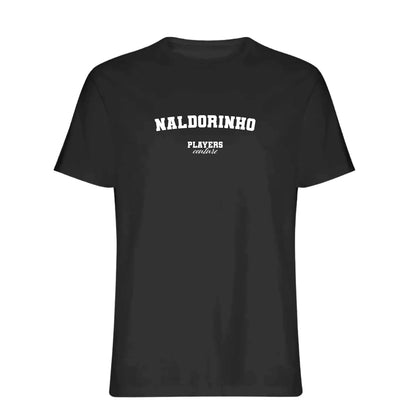
🖤 Their legacy lives on every time a player speaks up, every time a fan wears their name, and every time fashion carries their message forward.
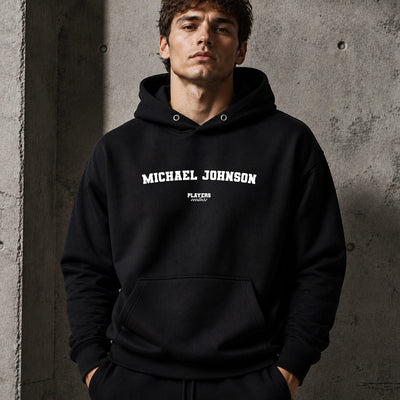
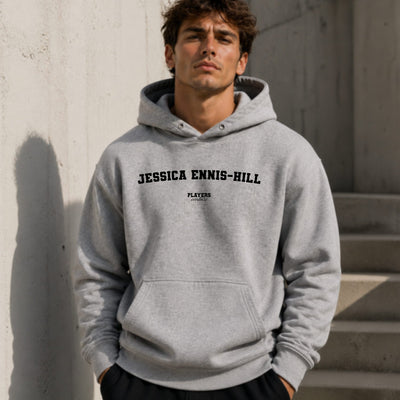
Shop the Names in This Article


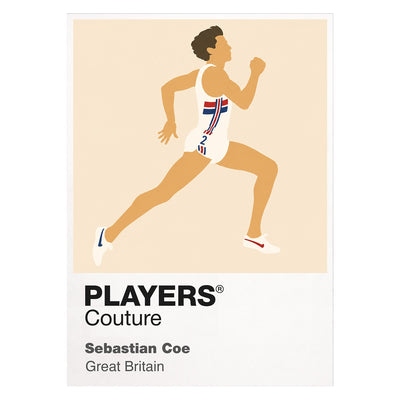
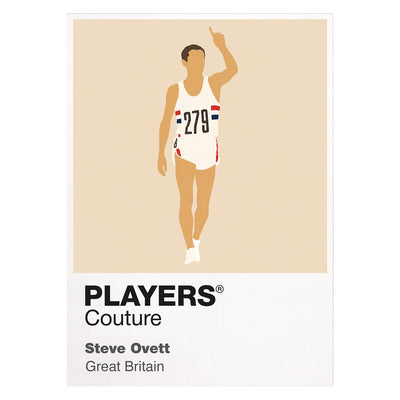
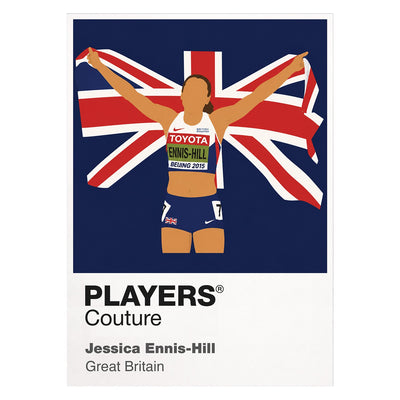
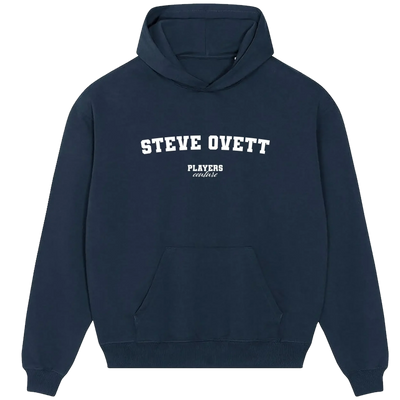
Every design is made to order in the UK. Browse more in our athletics range, or put any name on a custom name hoodie.







0 comments